
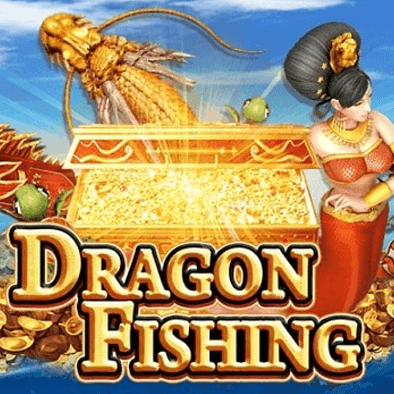
Dragon Fishing
Dragon Fishing | Dragon Fishing Game Guide
Dragon Fishing is a fast, visual fishing game built around choosing a target, lining up a shot, and managing every burst of ammunition. The compact play loop makes Dragon Fishing easy to understand on a phone while leaving room for careful decisions. This guide explains the verified game identity, the basic rhythm, and sensible ways to approach a session before you follow the SuperP experience.
Enter Dragon Fishing Now
Open the current game lobby and explore the fishing room with a clear session plan.
Dragon Fishing at a Glance
Game name
Dragon Fishing
Game type
fishing
Play style
Target and aim
These facts come from the platform game record: the name is Dragon Fishing, the type is fishing, and the supplied icon is the Dragon Fishing image above. A Dragon Fishing Demo view, when offered in the lobby, is useful for learning the interface without treating practice results as a promise of future outcomes.
The strongest first impression of Dragon Fishing comes from its immediate feedback. A target appears, the player chooses a firing level, and each decision has a visible cost. That simple loop keeps Dragon Fishing readable for a new player and gives an experienced player a reason to watch timing, target movement, and the balance between small catches and rarer high-value targets.
What Is Dragon Fishing?
Dragon Fishing is a target-based fishing game in which the player controls a cannon or shooter, selects a target on the underwater field, and receives a result when the shot connects according to the room rules. It is not a prediction exercise: each outcome is determined by the game system, so a dramatic animation should be enjoyed as feedback rather than read as a guarantee.
The Dragon Fishing screen is designed for quick recognition. The play area holds moving sea creatures, the control area shows the current shot value, and the balance display helps the player see the session position. Dragon Fishing works best when the player treats those signals as information, pauses between choices, and avoids increasing a shot merely because the previous one missed.
How to Play Dragon Fishing
1. Set a comfortable session limit
Decide the time and entertainment budget before opening Dragon Fishing. A fixed limit turns the fast pace into a controlled activity and makes it easier to stop while the game still feels enjoyable. Keep a separate note of the balance you are willing to use rather than chasing a previous result.
2. Read the Dragon Fishing controls
Identify the aim direction, firing control, shot-value selector, balance display, and any help icon. Use a Dragon Fishing Demo mode if the lobby supplies one, then check how a tap or drag changes aim. Learning the controls first prevents hurried taps from becoming accidental high-value shots.
3. Begin with measured targets
Start with a low, clearly visible target and watch how quickly it crosses the play area. The aim is to learn the room pace and the cost of a shot, not to prove that one target must pay. Keep the selected value consistent while you observe, and change only one decision at a time.
4. Review the result and reset
After a catch or a miss, look at the balance and choose whether the next shot still fits the plan. Dragon Fishing rewards attention to the current screen, not automatic repetition. Take a short pause when the field becomes busy, and finish the session when the chosen limit is reached.
Dragon Fishing Features
- Direct targeting: the player can focus on a visible moving target instead of navigating a complicated menu.
- Short decision cycles: each shot gives immediate visual feedback, making a short Dragon Fishing session easy to fit into a mobile break.
- Adjustable shot values: the control should be checked before every burst so the chosen value stays aligned with the session budget.
- Readable status signals: balance, ammunition or shot value, and room information support quick decisions when the action speeds up.
- Practice-first learning: a Dragon Fishing Demo, where available, allows control practice without confusing a test round with a cash result.
Feature availability and labels can vary with the active room or platform version. Read the in-game help panel whenever a control is unfamiliar. The safest Dragon Fishing routine is one that confirms the value of a shot before pressing the firing control.
Explore the Fishing Room
Check the live controls and choose a room that matches your planned pace.
Dragon Fishing RTP and Outcome Guide
RTP means theoretical return to player over a very large number of rounds; it is not a personal win rate and cannot predict the next Dragon Fishing shot. The supplied game record does not state a fixed RTP, jackpot amount, hit rate, or maximum win for Dragon Fishing. For accurate figures, open the in-game information panel and rely on the current operator display rather than an unofficial table.
- RTP: check the current Dragon Fishing information panel before play; no unverified percentage is presented here.
- Hit frequency: a catch may happen often or rarely in a short session, and short-term frequency is not a forecast.
- Jackpot language: only treat a jackpot, boss target, or multiplier as active when it is explicitly described in the live room rules.
- Volatility: target values and outcome variation can change the feel of a session; match shot size to comfort, not excitement.
A careful RTP review improves understanding but does not remove variance. Use deposit and loss limits where available, keep play for adults only, and stop if the activity stops feeling recreational. No Dragon Fishing strategy can guarantee a win.
How to read a result
Separate three questions after every attempt: what was the selected shot value, what did the room award, and what balance remains? This simple review prevents a bright animation from hiding the real cost of repeated shots. It also makes the Dragon Fishing experience easier to compare with another fishing room without assuming that the games share identical settings.
Dragon Fishing Strategy Guide
A useful Dragon Fishing strategy is a sequence of small checks rather than a promise of control over random outcomes. First observe the field, then select a target whose movement you can follow, confirm the shot value, and fire only when the choice still fits your limit. This keeps attention on decisions that are actually available to the player.
Observe before committing
Spend the opening moments learning the speed and direction of targets. When the screen is crowded, choose a target with a clear path instead of tapping at random. Observation does not change probability, but it reduces avoidable control errors and makes the game more comfortable to read.
Use a flat starting value
Keeping a modest shot value for several attempts provides a clean way to evaluate the room. Do not double a shot to recover a miss; that turns a single result into an emotional decision. If the value no longer feels comfortable, lower it or end the session rather than forcing a different outcome.
Define a stop signal
Set a time limit, a loss limit, and a win goal before Dragon Fishing begins. The first limit reached is the signal to leave. A short break can be part of the plan, but returning should require a fresh decision, not an automatic continuation.
Keep a simple session note
Record the date, chosen limit, and final position if tracking play helps you stay aware. Never use a note to claim that a pattern predicts the next target. The value of a record is budgeting and reflection, not a system for overcoming randomness.
Dragon Fishing Winning Tips
- Practice the aim and shot selector before using a larger value.
- Keep the first several shots at one comfortable level so the cost is easy to understand.
- Prefer a clear target path over hurried shots at a crowded cluster.
- Take a pause after a notable catch or a run of misses; excitement is a reason to slow down.
- Read the current paytable, target values, and room notices instead of relying on old screenshots.
- Use only money set aside for entertainment and never borrow to continue Dragon Fishing.
- Stop at the first pre-set boundary and review the result away from the active screen.
Dragon Fishing FAQs
Is Dragon Fishing a fishing game?
Yes. The current game record lists the exact name as Dragon Fishing and the exact type as fishing.
Can I try a Dragon Fishing Demo?
If the active lobby provides a demo or practice option, use it to learn controls. Availability and rules should be confirmed in the current game screen.
What is the Dragon Fishing RTP?
The supplied record does not provide a fixed percentage. Check the live information panel, and remember that theoretical RTP does not predict an individual session.
Does Dragon Fishing guarantee a jackpot?
No game strategy guarantees a jackpot. Treat jackpot or multiplier details as valid only when the current room rules explicitly show them.
What should I do after a losing run?
Stop and review the pre-set limit. Do not increase a shot to chase a loss; resume only with a new, deliberate entertainment decision.
Related Fishing Games
Players who enjoy the Dragon Fishing rhythm may compare the following fishing entries from the same game record. Each card keeps the supplied game name and image, and opens the current promotional game lobby when selected. Compare controls and rules in the lobby rather than assuming that one fishing title has the same settings as another.
Happy Fishing
Mega Fishing

Ocean King Jackpot
Ready for Your Next Session?
Open the lobby, read the current rules, and keep Dragon Fishing play within your plan.
Continue Your SuperP Journey
For a wider view of earning opportunities, browse SuperP Earn Money. If you want practical play guidance, review SuperP Tips before choosing your device. For another quick game experience, compare Mega Ace and then return to the Dragon Fishing rules when you are ready.
Whichever route you choose, keep the same fundamentals: verify the room information, set a limit, take breaks, and treat every outcome as independent. A clear plan makes the SuperP experience more enjoyable and keeps the focus on entertainment rather than pressure.